
Gum Disease
Prevention of gum disease in Ashby and Burton on Trent
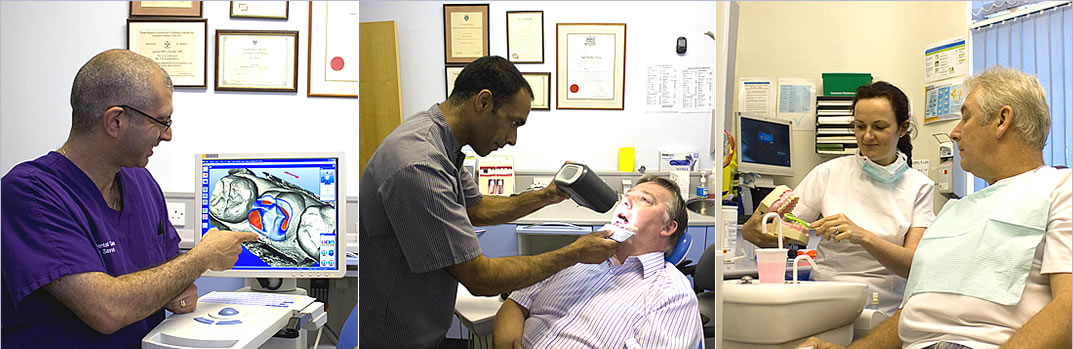
We are fortunate to have Dr Moe Issa working within our team at Alexandra Dental Care. Moe has furthered his career to specialise in Periodontal (gum) treatment. The knowledge he has gained has enabled him to deal with the management of gum disease.
Gum disease is still the main cause of tooth loss followed by tooth decay and studies show that incredibly up to 90% of adults will suffer it with varying degrees of severity.
Gum disease (pyorrhoea) or periodontal disease starts off as Gingivitis caused by a build up of plaque on teeth. This is a soft sticky deposit which is full of bacteria that produces products that inflame and damage the gums. The plaque can also form a hard deposit called calculus(or scale) which can only be removed by your dentist or hygienist
The signs of Gingivitis are:
- Red/Swollen gums
- Spontaneous gum bleeding or with brushing
- Bad breath or unpleasant tastes
- General gum soreness.
Gingivitis can be REVERSED with early intervention by your dentist or hygienist carrying out careful and thorough cleaning as well as giving preventative advice which will maintain your mouth in a healthy state.
If Gingivitis is left untreated it can lead to irreversible changes and gum disease.
The signs of gum disease are as listed to the left but also:
- Generalised recession and sensitivity
- Drifting/Mobile teeth
- Tooth loss
- Teeth looking longer and unsightly due to gum loss
- Treatment can be carried out to prevent any further bone loss or minimise any further recession.
There are other high risk factors
- Smoking
- Poor diet
- High alcohol intake
- Stress
- Hereditary risks
- Certain medical conditions e.g. Diabetes, Heart disease, Epilepsy
Our Ashby and Burton dentists will assess your gums at every dental health examination and will also take measurements of your gums which are recorded and re-checked. This is in line with good practice guidelines and ensures that any problems are logged, monitored and treated appropriately.